The Allegro Guitar Series and other Special Events are just the tip of what we do at the Guitar Society. We also perform outreach programs for children in the Fort Worth ISD and in neighboring school districts throughout Tarrant County. We also provide teaching programs at local schools.
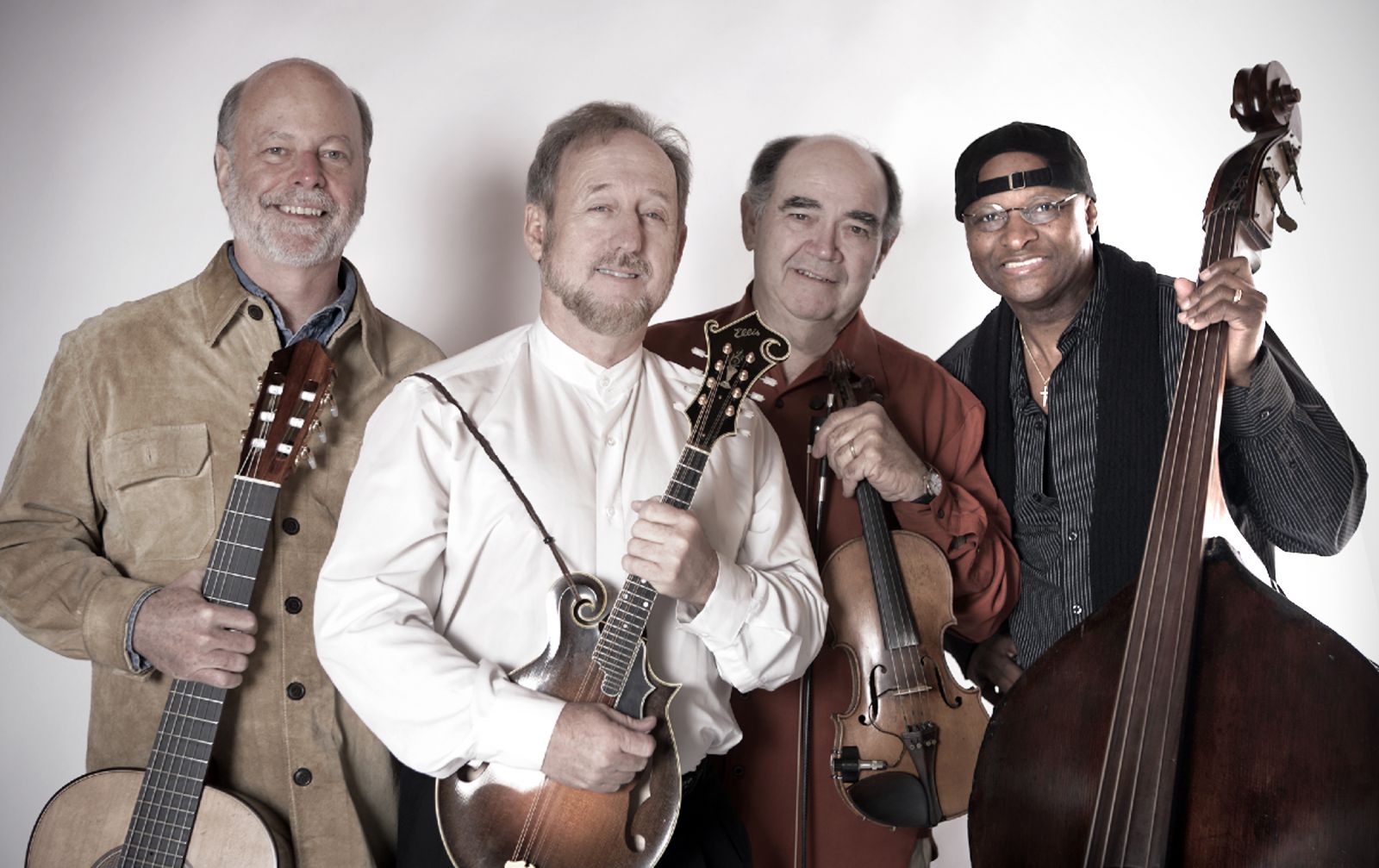
“Texas Tapestry, a Musical Journey” traces the influences various groups have brought to Texas over a period of 500 years and the influence Texas musicians are now having on the rest of the world. The historical and geographically rich script was co-written by Madeline Myers and Christopher McGuire. Performers in the program are NEA National Heritage Fellowship Honoree, Jim “Texas Shorty” Chancelor; Winfield Banjo Champion, Gerald Jones; jazz and classical bassist George Anderson and FWCGS Artistic Director, Christopher McGuire.
Join us in continuing to put Fort Worth “On the Map” as one of the premier guitar presenters in North America.
A TEXAS MUSIC TAPESTRY
First performance at Bass Hall, Fort Worth, Texas
|
Musicians:
Students enter Read poem
Before the light dawned
Music in the winds and waters
This music of the Earth, man heard Good morning/afternoon. That was a poem by Madeline Myers. We’ll hear some more of her poetry later on. Our show “A Texas Music Journey” will take us to faraway places and back here to Texas as we discover just some of the influences that have made Texas music so rich and interesting. Humans probably first came to Texas as early as 40,000 years ago and were hunter – gatherers. Their first instruments were probably drums and then flutes came later.
GERALD PLAY FLUTE OUR trip begins with a young Indian girl who lived in the north Texas plains. She was used to hearing the beautiful flute and drum music played as the young braves courted her friends. But the music she heard in her heart was different and she danced to a different drumbeat.
The name her Kiowa father gave her was Wind Singer, for her voice whispered like the high grasses of the plains, and she moved with the rhythms of the earth in her step. STOP DRUMMING – Bach N. BEGIN FLUTE (SOFTLY) One windy day Wind Singer heard a strange new melody in the breezes, and she stopped dancing. This music was not for her, and she did not know the lonely song, but it held her there, making her sad, and she sought the source.
Then she saw him, a lone Spanish conquistador sitting on a rock, making the music with a reed-flute. His companions, she knew, had left days before. In time they learned each other’s words and ways. The Spanish soldier had deserted his company out of sorrow for the native oppression at the hands of los conquistadores; for the sufferings of her people had pierced the heart beneath his armor. He told her his stories. She, in turn, showed him the ways of her people. Wind Singer and the Spanish soldier together made new songs for the land, a land changing as they danced together in their New World. PLAY “CANARIOS” SOLO
Explain and tell the title of the previous piece: Spanish music, much like Texas music has been influenced by many different cultures. Although Spain is part of Europe, the Moors occupied much of it for 600 years. They had a flourishing culture with great libraries and academies. Middle Eastern, Jewish and Gypsy musicians as well as Europeans influenced their music. Although the first Spaniards came to Texas in 1519 they didn’t settle here until the late 1600s. At that time in Europe, the style of music was what we now call Baroque. “Canarios” was one of the most popular Spanish songs and was played by every imaginable instrument and ensemble.
One of the most beautiful examples of the mixtures of culture is
FRANCE The music they would have heard in their home land of FRANCE would have been waltzes, gigues, bourees and Allemandes. Composers from most of the advanced European countries wrote in the “French style.” One of the most famous German composers of all time, Johann Sebastian Bach, wrote many suites with French dances as the basic structures for the movements. We’re going to play one of his most interesting pieces, “Boureé” from the “Lute Suite in E minor.” It uses a technique called COUNTERPOINT. In counterpoint we play two or more lines that move in “contrary” motion. That means when the top melody goes up, the bottom line goes down, … like this: PLAY “BOUREE”
WALTZES PLAY “WALTZ” by Fernando Sor – SOLO
BAND ENTER Some of the earliest waltzes we know of came from the same period as the “Bouree” and we’re going to play one that Bach composed for his wife, Anna Magdelena. We’ll play it the first time through each section the way it’s written and then we’ll ornament it on the repeats. See if you can hear the difference. PLAY “MINUETTE” by J. S. Bach Feature TEXAS SHORTY Waltzes have come to Texas from many countries and here are a few examples:
From the SLOVAKIAN composer Franz Lehar we have the And from MEXICO we have the beautiful
We can’t leave out the most famous TEXAS waltz
We’ll close the “Waltz” section with one of the most popular CAJUN Waltzes
PLAY “KEMPS JIG”
The Texas counterpart to “KEMPS JIG” is the
SCHOTTISHES are very popular in Texas. We’re going to feature Shorty on the most famous one. POLKAS are, according to some experts, the most popular form of music. Almost every country in the Western Hemisphere has some form of the Polka, a dance that originated in POLAND.
This Polka from Mexico is popular in Texas and throughout the world. This is:
SOLO GUITAR SECTION (BAND EXITS)
ABOUT GUITARS “IS THAT YOUR FOOT”
Before we go we want to play one more song, but first: I also want to express my appreciation to Madeline Myers for the beautiful poetry and poetic prose you heard at the beginning of the show. Madeline is a published poet. She teaches English and drama at Lewisville High School. She also wrote this: As the land and its people changed, so did its music. As settlers from every corner of our world bring new melodies crafted from the winds and waters of their faraway homelands, their music blends with the tribal songs and ancient airs of the New Land. Our rich, modern culture is a reflection of the wonderful mix of all the rhythms, ancestral and new, of this brave new world.
And now here’s a familiar tune to close the show, but we’re going to play it in ways you’ve probably never thought of hearing it. From England this is “Greensleeves.”
Theme – guitar solo
copyright 2005 FWCGS |
![]() ![]() |
|
![]() |
![]() |
|
![]() |
||
![]() |
![]() |
|
![]() |
||
![]() |
![]() |
|
![]() |
||
![]() |
![]() |
|
![]() |
||
![]() |
![]() |
|
![]() |
||
![]() |
![]() |
|
![]() |
||
![]() |
![]() |
|
![]() |
||
![]() |
![]() |
|
![]() |
||
![]() |
![]() |
|
![]() |
||
![]() |
![]() |
|
![]() |
||
![]() |
![]() |
|
![]() |
||
![]() |
![]() |
|
![]() |
||
![]() |
![]() |
|
![]() |
||
![]() |
![]() |
|
![]() |
||
![]() |
![]() |